Screen Machines
We Did This to Our Kids. But There is a Way Out.


Our family avoided the battle over screens in the 2000s and 2010s with no X-box or Nintendo in the house, just a few educational games on the home computer. Screen time was two hours a day for all three children. My oldest didn’t have a cell phone until after college orientation in 2013. My middle child got a phone when she was 16. Our youngest received a phone for his 15th birthday.
I don’t regret these choices. Before I had kids, I read Marie Winn’s 1977 book The Plug-in Drug, which warned about the drawbacks of children watching more than a little television. Years later, when I learned that the local elementary school wanted a computer for every child, I thought, what the hell? A few years after that, a friend mentioned all of her son’s schoolwork was on a laptop. I was shocked. Didn’t schools know that screens aren’t good for kids?

For years now, we’ve accepted the idea that hours of daily screen time are okay. We’ve lived as if our kids don’t physiologically need face-to-face interactions with other people in order to develop into whole and healthy human beings.
But it turns out Wendell Berry was right when he wrote “Why I’m Not Going to Get a Computer” in 1987.
And thankfully, parents and teachers have begun to call it quits on screens in school.
What has triggered these changes? Recent data show that grades and test scores are dropping instead of improving since tech arrived in classrooms. The ability to read text and engage in deep comprehension has declined, precisely because reading on a screen encourages glancing and scrolling, which decreases the ability to remember content. As neuroscientist Jared Cooney Horvath explains about the difference between screens and print, “With no fixed location for ideas to attach to, the spatial scaffold that supports memory collapses.” And, typing and handwriting are not equivalent—for anyone, and certainly not for students. Handwriting supports early literacy and embodied thinking. When we write “…we don’t just record thoughts—we shape them.”
When we handwrite, we’re creating, not copying.
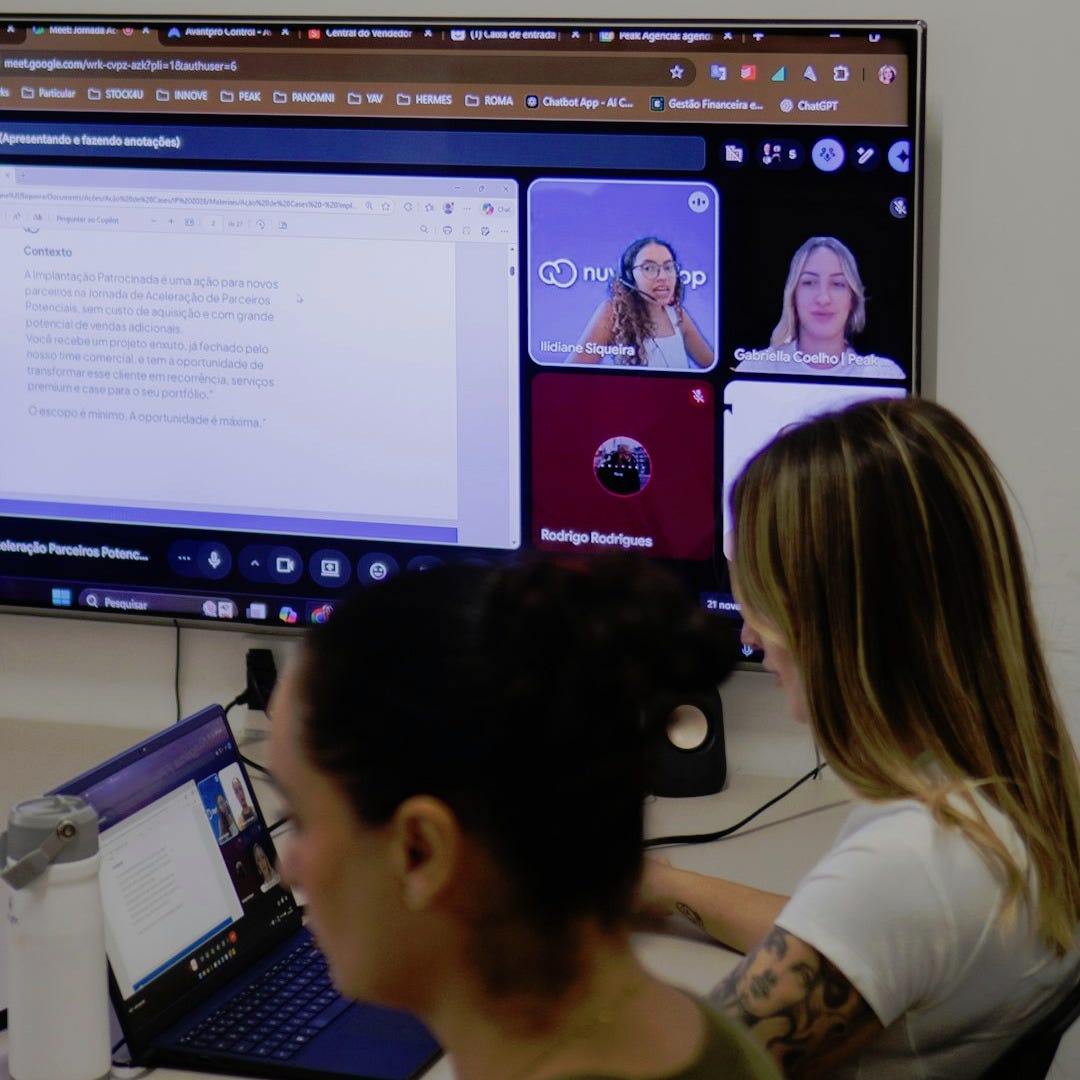
In addition, data confirm that taking exams on computers instead of printed paper decreases scores. As Horvath reported in December 2025, when the PISA (Programme for International Student Assessment) exams moved online in 2024, scores from this world-wide, gold standard exam dropped significantly.
Worse, in 2012, 2015 and 2018, when the PISA test asked students how much time they spend on digital devices at school, the results were clear: the more time students spent on computers during the school day, the lower their PISA scores were. Those who used computers more than 6 hours a day scored two entire letter grades lower than those who didn’t use computers at all. Horvath concludes, “When schools replace traditional learning with digital tools, student performance declines.”
An OECD (Organisation for Economic Co-operation and Development) study also confirmed that students who use computers the most have the worst outcomes. The use of technology does not shrink the performance gap between successful students and those who are struggling.
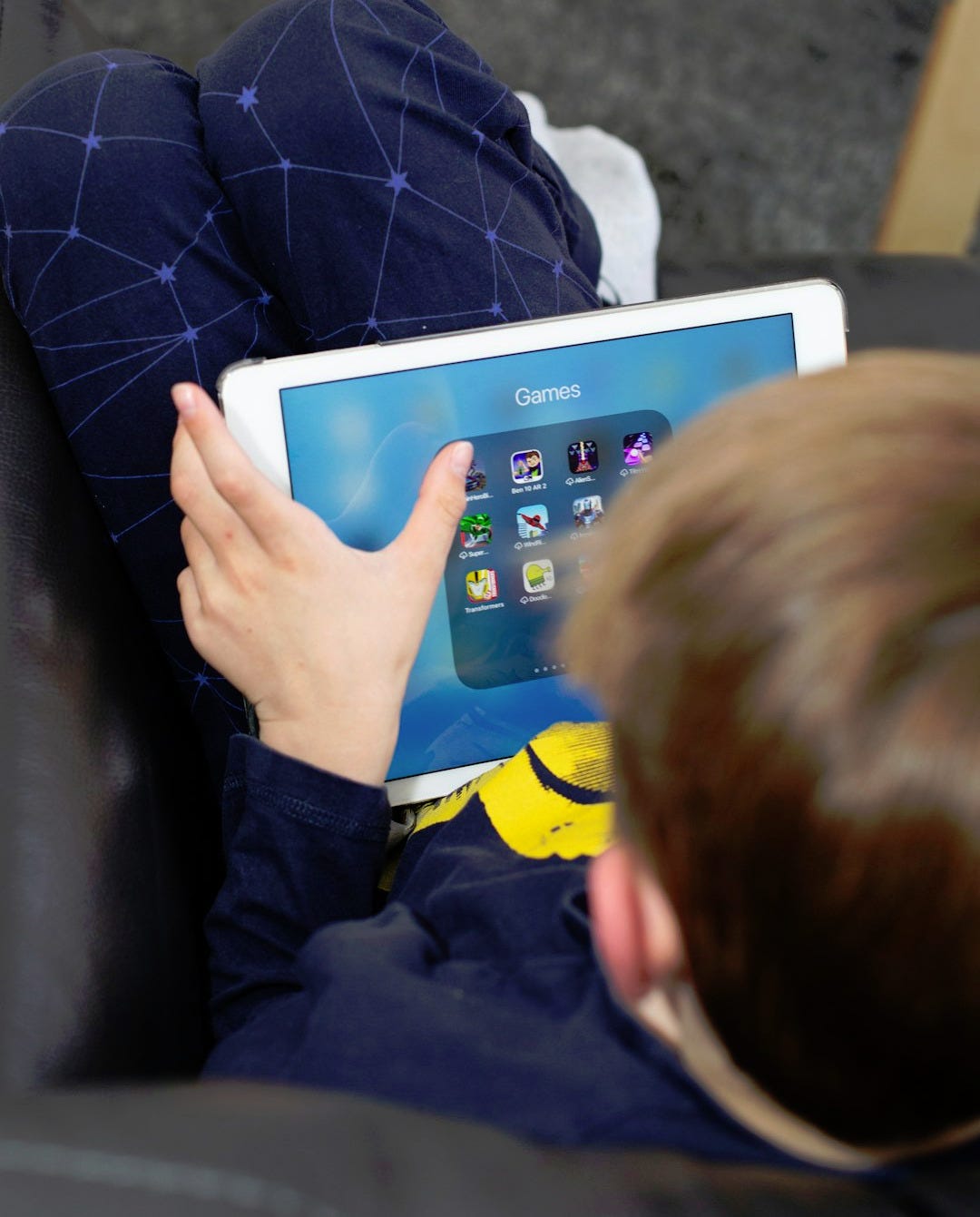
Another reason to remove screen based technology from school is that kids already use it for hours daily. Not only does phone use prevent time spent reading, playing or with other people, but during the time children spend on screens, their thoughts constantly move from one app to another. That’s how apps and social media are designed—but human minds are not designed to multitask. As Horvath explains, today’s students have “…spent thousands of hours training themselves to use digital devices in a manner guaranteed to impair learning and performance.”
This is how ludicrous a failure educational tech has been.
This disaster must and can be reversed—and that renewal is now underway.
In Sweden, a country known for its focus on children’s free play and opportunities to independently navigate childhood, parents have realized that letting their kids use smart phones just as freely was a disaster. According to Linda McGurk, who returned to her native country in 2018 after fifteen years in the US, Swedish teachers felt helpless against the technology invasion in the classroom, just as US teachers have.
But seven years later, Sweden has rolled back access to screens for children. Students cannot use their phones in class unless they are needed for a special project. This year a nationwide phone ban will take effect, all classes, all day. In addition, the government is decreasing the use of screens in school and increasing funding for textbooks and libraries.
In the US as well, huge changes are underway; 35 states plus DC now have “laws or rules limiting cell phone use in the classroom.” This movement has been ignited by Jonathan Haidt’s book The Anxious Generation, as parents across the country tell school boards to remove phones from classrooms. Better focus in class and more interactions with other students are just a few of the good results. As Haidt and colleague Zach Rausch report: “It’s only when students are given the full six or seven hours of the school day away from their phones that we hear this universal report from teachers and principals: ‘We hear laughter in the hallways again.’”
As Jon Haidt put the matter in an NPR interview, “Think about the most exciting times in your childhood. Were they times when you watched an amazing show on TV by yourself? Probably not. It’s the times when you had a gang, a group. You were hanging out. Maybe it was one best friend, or maybe it was a group, but you were doing something. It was some adventure. You were probably away from adults. Kids don’t get that anymore. They don’t have adventures anymore. We don’t let them.” [emphasis mine]


You can be a part of reversing too much technology in school. Do you need practical guidance for the wise use of tech? Here is Haidt’s plan: 1. no cell phones before high school, 2. no social media until 16, 3. phone free schools, and 4. more responsibility and play in the real world. Parents in Sweden found that the most effective path to change was national bans on cell phones in schools. And when communities work together to make changes, kids don’t have to feel they’re the only one who doesn’t have the tech.
In the US, see these guidelines from the American Academy of Pediatrics for personalized help. Ask your neighbors, your PTA and your school board to join you in setting up phone bans. Your children’s teachers will thank you, and in years to come your children will thank you too. The results of returning to real life will be as striking, I expect, as the results of too much tech were.
We can’t turn back the clock on technology itself, nor change, nor the passing days of our children’s lives.
What we can change is whether they live them as screen machines or human beings.
